
Cashless Matatu Payments in Kenya: What Comes Next
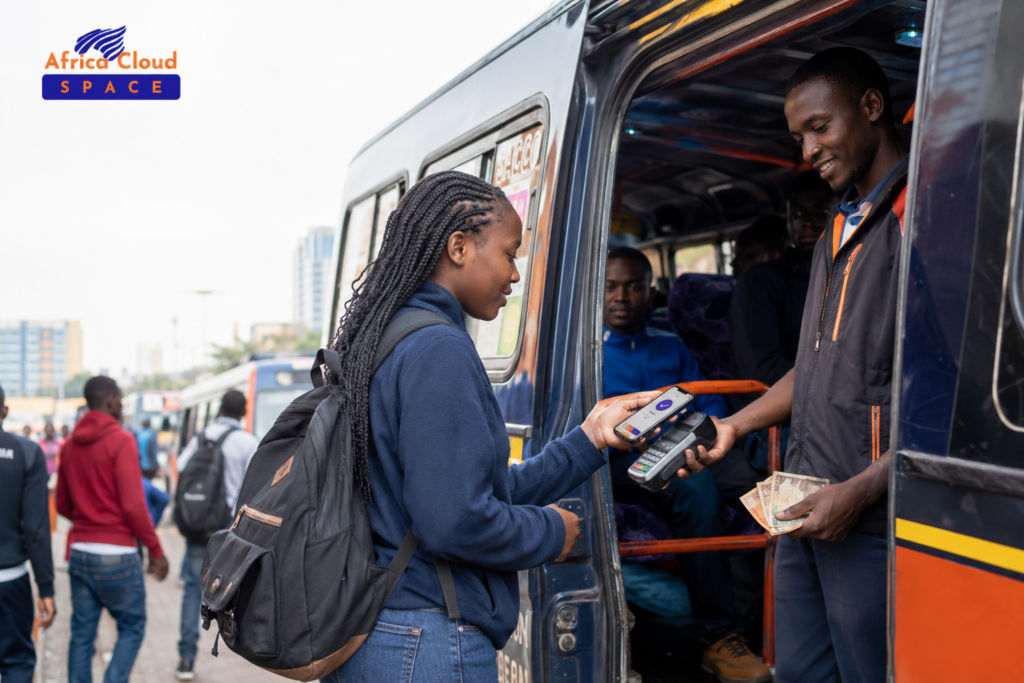
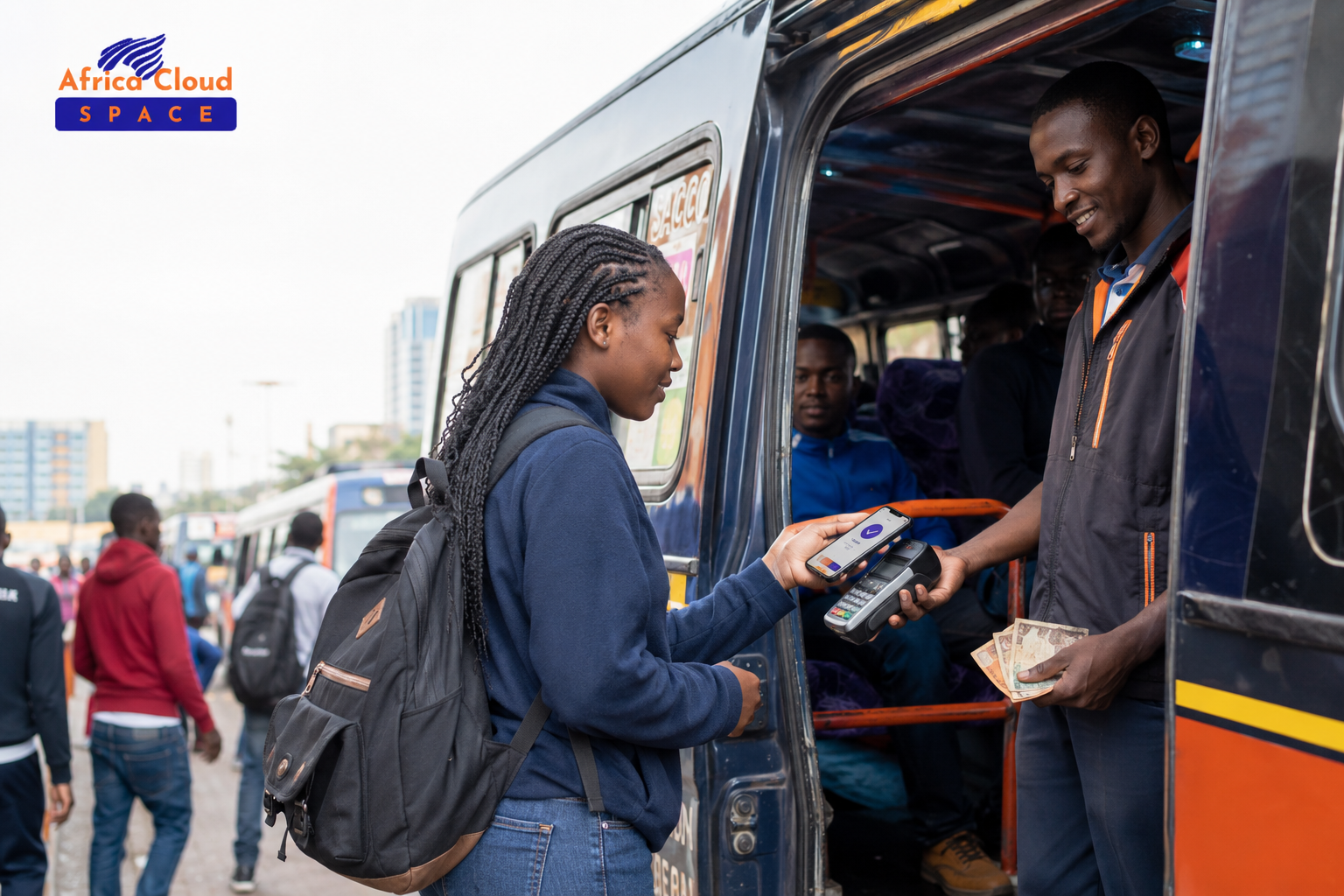
It’s 6:50 a.m. on Thika Road. A commuter climbs into a fourteen-seater, phone in one hand, coins in the other. The conductor calls out the fare. For a second, she hesitates — tap the phone against a reader, or just hand over cash like she has for years? That small pause, repeated millions of times a day across Kenya’s matatu routes, is the real story of cashless matatu payments in Kenya. The technology exists. The habit is still catching up.
This article looks at what cashless fare payment actually means for Kenya’s public transport sector, why the shift is happening, what’s working, what still isn’t, and what commuters, operators, and SACCOs should watch for next.
What cashless matatu payments actually mean
“Cashless” doesn’t mean one single app or one government system. In practice, it covers several overlapping methods of paying fares without physical cash changing hands:
- Mobile money — sending fare via M-Pesa, Airtel Money, or similar services, either through Paybill/Till numbers or in-vehicle QR codes.
- Tap-to-pay cards or wristbands — prepaid cards loaded with fare balance, tapped against a reader as the passenger boards.
- QR code scanning — passengers scan a code displayed in the vehicle and pay through a mobile money or banking app.
- In-app payment — dedicated transport apps that let a passenger pay directly when booking or boarding a specific vehicle or route.
What ties these together is a digital record of the transaction — a receipt, a timestamp, and (where systems are properly integrated) a log that the vehicle owner or SACCO can actually see.
Why Kenya is moving towards digital fare collection
Kenya didn’t arrive at this conversation by accident. A few forces are pushing it forward at the same time:
Kenya is already a mobile money economy. Services like M-Pesa turned everyday Kenyans into digital payers for utility bills, rent, and retail purchases long before matatu fares entered the conversation. The habit and the infrastructure — agents, network coverage, trust in mobile money — already exist. Matatu payments are, in many ways, the last major daily cash transaction left to digitize for most commuters.
Cash handling has real costs and risks. Counting, storing, and transporting physical cash exposes conductors and owners to theft, disputes over change, and fare “leakage” — money that should reach the vehicle owner but doesn’t. A digital trail closes much of that gap.
Regulatory push for accountability. Kenya’s transport regulator, the National Transport and Safety Authority (NTSA), already manages a digital vehicle and licensing system (TIMS) for the sector. Government interest in formalizing SACCO revenue and improving compliance has periodically extended to fare collection as well, since digital records make it easier to verify what a vehicle actually earns.
Investor and technology-provider interest. Fintech companies and transport-tech providers see an enormous, largely untapped market — millions of daily fare transactions across a country with strong mobile money penetration.
The current state of cashless matatu payments in Kenya
It’s worth being upfront: cash is still, by a wide margin, the default way Kenyans pay matatu fare today. Digital fare collection has been tried before. One of the most cited early examples was BebaPay, a cashless fare card pilot introduced in Nairobi in partnership with a major technology company and a local bank in the early 2010s. It demonstrated that tap-to-pay could work technically, but it struggled with adoption — many matatu crews preferred the flexibility (and, for some, the informal income) that cash allowed, and the card-based system didn’t integrate smoothly into the sector’s day-to-day realities.
Since then, mobile money-based fare payment — commuters sending fare via Paybill or Till number directly to a SACCO or vehicle account — has become more common on some routes, particularly in Nairobi and a handful of other urban centres. Various technology providers have also piloted QR-code and app-based systems with individual SACCOs or vehicle owners. However, there is no single national standard that all matatus, SACCOs, and payment providers currently use, and the extent of cashless adoption varies significantly by route, town, and operator. Commuters should expect a mixed picture: some vehicles accept only cash, some accept mobile money as an option alongside cash, and a smaller number are cashless-only.
How a cashless matatu payment journey could work
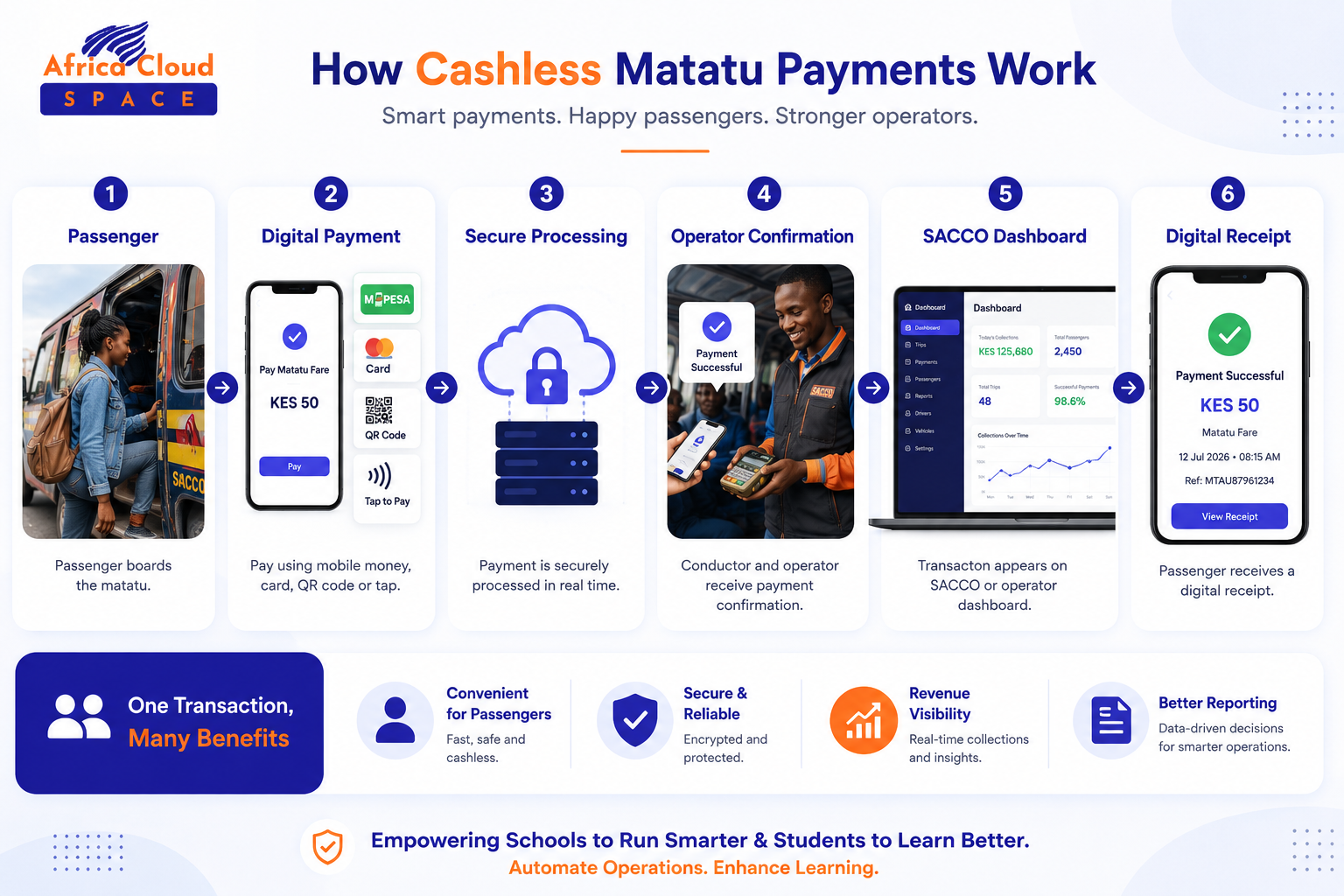
A well-designed cashless system would ideally work like this for a passenger:
- The commuter boards the vehicle and sees a fare notice — either a fixed Paybill/Till number, a QR code, or a tap reader.
- They pay using their preferred method: mobile money transfer, a QR scan, or a tap of a prepaid card or phone.
- A digital receipt or confirmation SMS/notification is generated instantly, creating a record for both passenger and operator.
- The SACCO or vehicle owner can view daily, weekly, or monthly collections through a dashboard, rather than relying solely on a conductor’s manual count.
For this to work at scale across different SACCOs and payment providers, systems need to be interoperable — a passenger shouldn’t need five different apps depending on which vehicle they board.
Benefits for passengers
- Convenience — no need to carry exact change or worry about running out of coins.
- Digital receipts — a record of the trip and fare paid, useful for expense tracking or dispute resolution.
- Fare transparency — a displayed fare reduces the ambiguity that sometimes comes with cash-based fare negotiation during peak hours or bad weather.
- Faster boarding in vehicles where digital payment is well implemented, since conductors spend less time counting and giving change.
Benefits for matatu owners, SACCOs and operators
- Revenue visibility — owners and SACCO management can see actual daily takings rather than relying entirely on conductor reporting.
- Reduced cash handling risk — less physical cash on board means less exposure to theft and disputes.
- Better financial planning — consistent digital records make it easier to plan for maintenance, loan repayments, and SACCO dues.
- Improved accountability between vehicle owners, SACCOs, and crews, which can reduce friction around revenue-sharing arrangements.
The main challenges that must still be solved
None of these benefits arrive automatically. Kenya’s matatu sector has genuine, practical obstacles to work through before cashless payment becomes the norm rather than the exception:
Transaction charges
Mobile money and card transaction fees, even small ones, add up across thousands of daily low-value fare payments. Who absorbs that cost — the passenger, the operator, or the payment provider — remains a live question for any system aiming for wide adoption.
Network connectivity and device reliability
Rural and some peri-urban routes still experience patchy mobile network coverage. A payment system that fails when there’s no signal, or when a reader’s battery dies, quickly loses passenger trust.
Accessibility for unbanked or non-smartphone passengers
Not every commuter has a smartphone, a bank account, or a registered mobile money account. Any serious cashless rollout needs to account for passengers who are still best served by cash, at least during a transition period.
Interoperability between operators and providers
Without shared standards, a passenger who regularly switches between SACCOs or routes could end up needing several different apps or cards — a level of friction that undermines the whole point of “convenience.”
Data privacy and cybersecurity
Digital fare systems generate data — trip patterns, payment details, sometimes location data. That data needs to be protected, both to comply with data protection expectations and to maintain passenger trust.
Training for conductors, drivers, and SACCO staff
New systems only work if the people using them daily — conductors handling readers, SACCO staff reconciling accounts — are properly trained and comfortable with the technology.
Public trust and adoption
Kenyans have seen cashless pilots come and go. Passengers and operators alike are reasonably cautious about investing time or money into a system that might not last.
The need for a cash fallback
Given all of the above, most realistic cashless rollouts in the near term will need to run alongside cash, not replace it outright — at least until reliability, cost, and inclusivity concerns are addressed.
What comes next for Kenya’s matatu sector
Based on the direction of travel so far, a few things are reasonable to expect — while being clear these are industry expectations and trends, not confirmed government timelines or mandates:
- Continued piloting of QR-code and mobile-money-based fare systems by individual SACCOs and technology providers, rather than one single nationwide platform appearing overnight.
- Growing interest from payment service providers and transport-technology companies in building fare-collection tools that also help SACCOs with broader vehicle and revenue management, not just payment.
- Ongoing conversations among regulators, SACCOs, and industry bodies about standards, interoperability, and consumer protection as digital fare collection expands.
- A gradual, uneven rollout — some routes and SACCOs will move faster than others, and cash will likely remain part of the system for the foreseeable future.
Anyone telling you cashless matatu payments in Kenya will fully replace cash on a fixed date should be treated with healthy skepticism. Transitions like this, in transport systems worldwide, tend to take years, not months, and Kenya’s matatu sector — highly decentralized, owner-operator driven — adds its own pace to that timeline.
How operators and commuters can prepare
For commuters: it’s worth setting up mobile money accounts if you haven’t already, and keeping a small cash reserve as a fallback on routes where digital payment isn’t yet accepted everywhere.
For matatu owners and SACCO leaders: the practical starting point isn’t necessarily a fare-payment app on its own — it’s having reliable systems to track vehicle revenue, manage SACCO records, and reconcile accounts digitally, so that whichever fare-payment method a route adopts, the back-office side of the business is ready to make use of the data it produces.
For technology providers and investors: the sector rewards solutions built around Kenya’s actual matatu economy — flexible, low-cost, interoperable, and resilient to patchy connectivity — rather than payment tools imported wholesale from other markets.
Conclusion
Cashless matatu payments in Kenya are not a switch that gets flipped on a single date — they’re a gradual shift, route by route and SACCO by SACCO, shaped by cost, reliability, and trust as much as by technology. The commuter on Thika Road tapping her phone instead of counting coins is a preview of where the sector is heading, not a sign that it’s already arrived. Whether the transition succeeds will come down to one simple test: are the systems affordable, inclusive, reliable, and easy enough to use that both passengers and operators actually choose them over cash.
Is your SACCO or transport business exploring digital payment or transport-management systems? Africa Cloud Space works with organizations across Kenya to build secure, practical, and scalable technology solutions tailored to how the transport sector actually operates. Talk to Africa Cloud Space about your transport technology needs →